
 Bird Atlas has long been used as an effective tool worldwide to monitor the condition of bird population. It is a grid-based sampling method to collect information of numbers, species and breeding status of birds. Information obtained could be a good reference for:
To be comparable to the past atlas surveys, Hong Kong was divided into 1,591 1 km2 grids within the territory with the same grid reference. Each grid was surveyed once in breeding season (mid-March to mid-July) and once in winter season (December to February) during the study period. A surveyor had to:
| Code | Breeding Evidence |
| CONFIRMED | |
|---|---|
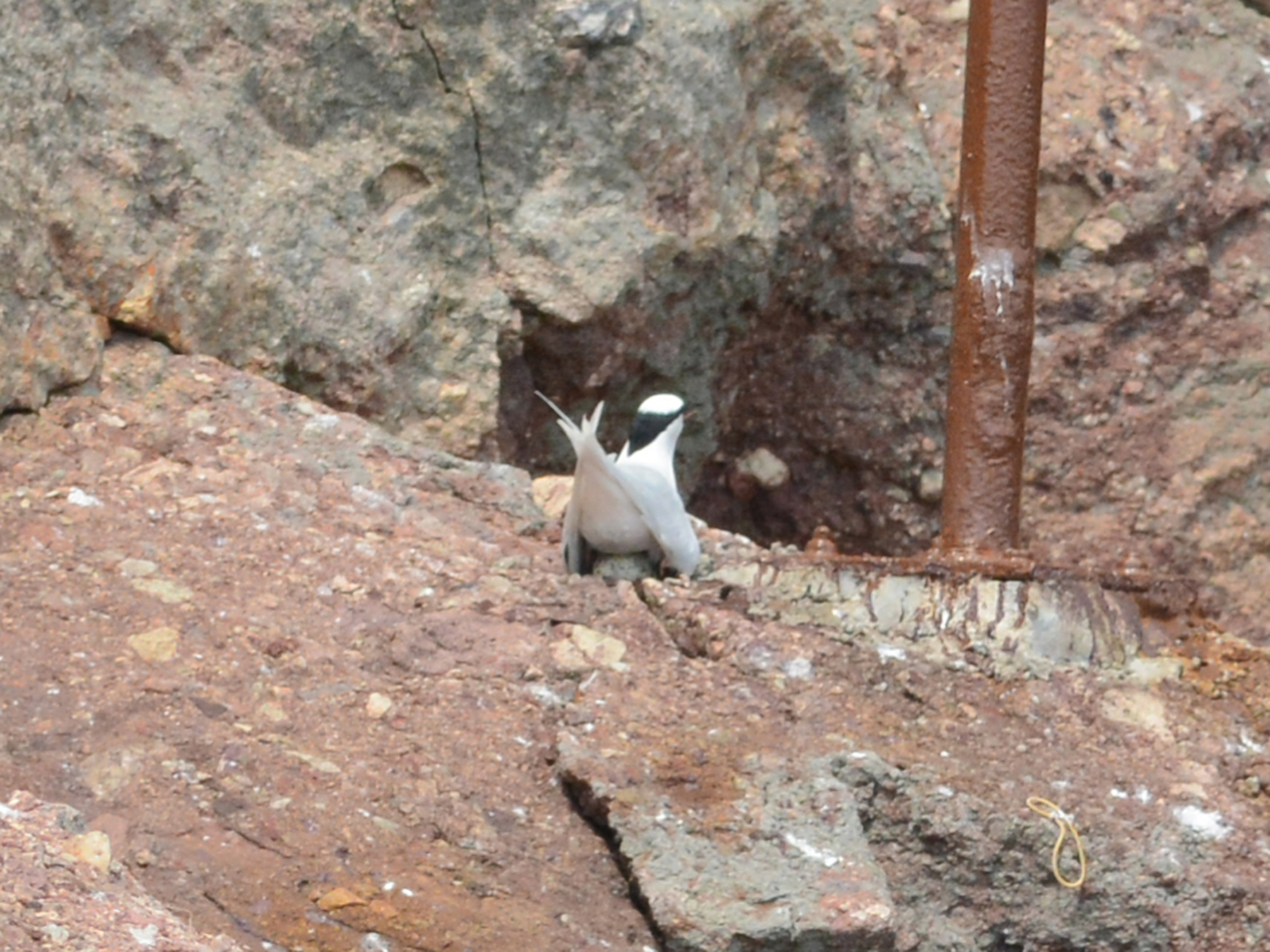
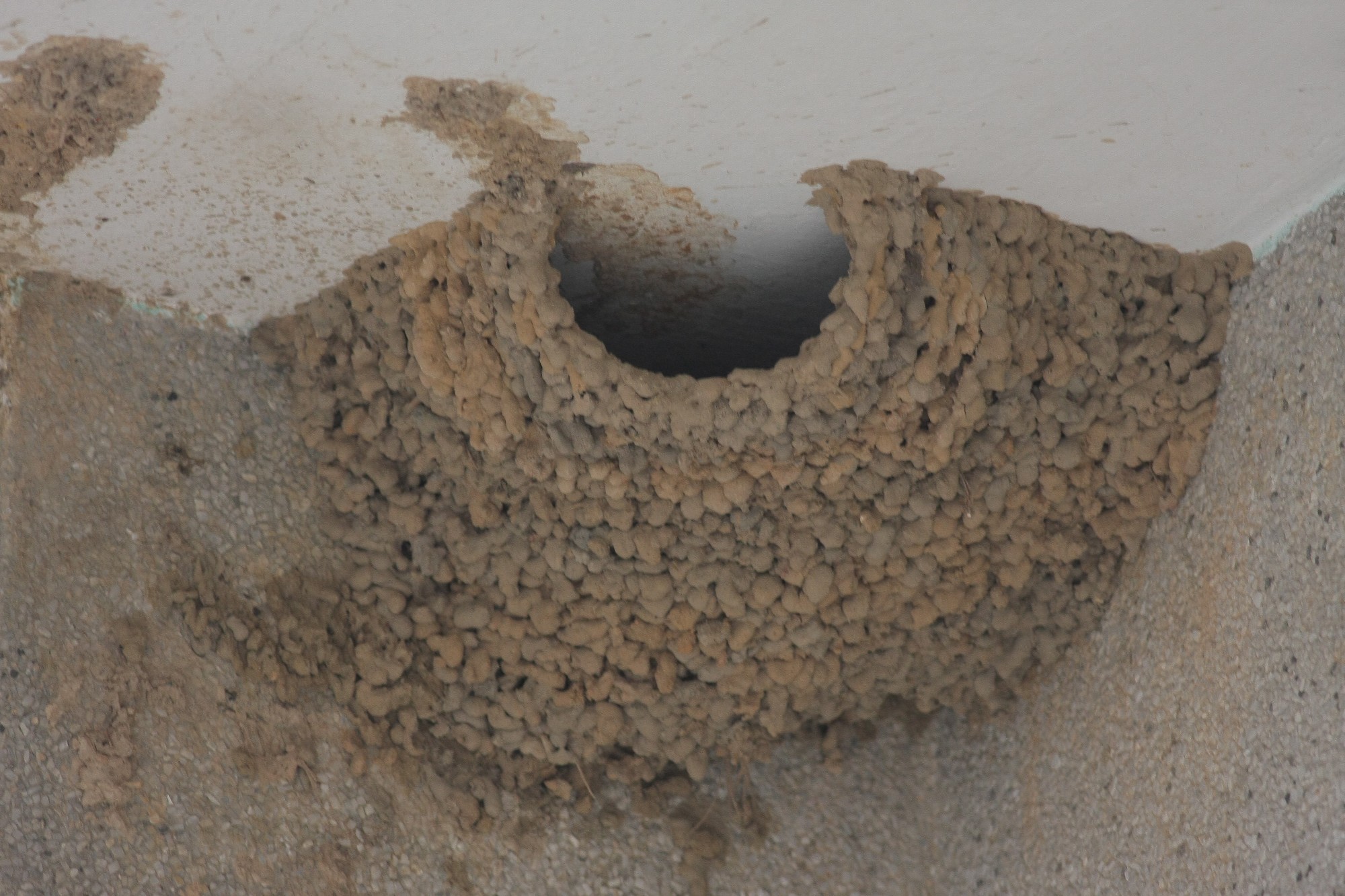
| NB | Nest building or adult carrying nesting materials. |
| NE | Nest building or adult carrying nesting materials. |
| NY | Nest with young seen or heard. |
| NU | Used nest or eggshell found. |
| FY | Recently fledge young or downy young. |
| FS | Adult carrying fecal sac. |
| FC | Adult carrying food for young. |
| AE | Adults leaving or entering, indicating occupied nest. |
| DD | Distraction display or injury feigning. |
| PROBABLE | |
| S | Singing males. |
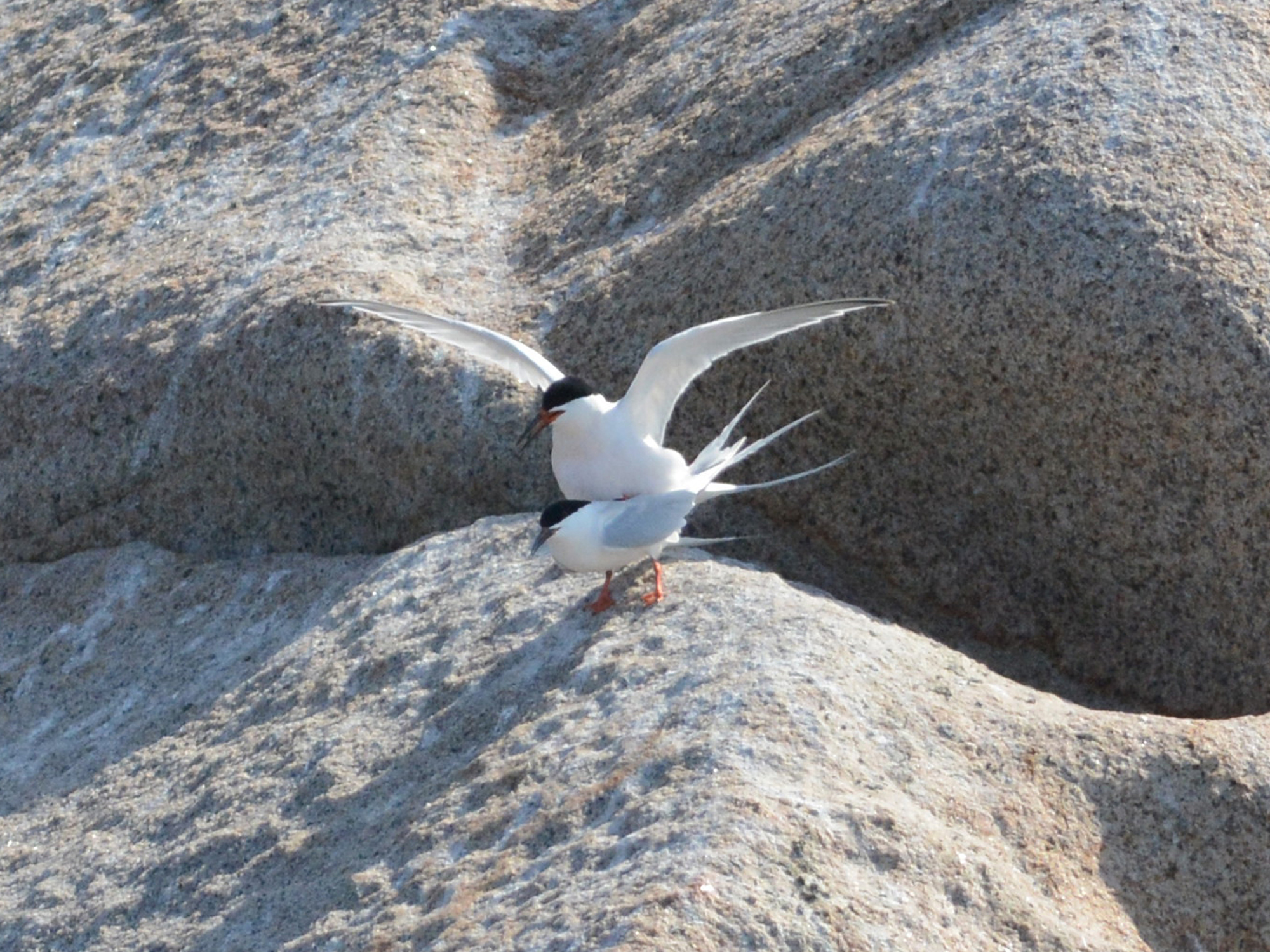
| D | Display (between a male and a female or two males), courtship (including courtship feeding) and copulation. |
| A | Agitated behavior or anxiety calls of an adult. |

Remarks: The survey period of breeding season 1993-96 was longer from March to September and the only occurrence and breeding status of each species were marked (i.e. without accurate abundance).


